
Hair Loss Consultation
Hair loss is a complex condition that encompasses various types and causes. It is not simply a single disease but rather a broad spectrum of conditions that affect the hair follicles.
Types of Hair Loss
You can group conditions by inflammation and hair loss patterns, which may be widespread or patchy. Common types of hair loss include androgenetic alopecia, telogen effluvium, alopecia areata, traction alopecia, lichen planopilaris, and frontal fibrosing alopecia.
However, there are more conditions that may result in hair loss.
Diagnosing Hair Loss
To accurately diagnose and understand the underlying causes of hair loss, a comprehensive approach is necessary. At our clinic, we employ a variety of methods to establish the correct diagnosis. This includes:
- Conducting a thorough anamnesis (patient history)
- Assessing the patient’s family history and medical background
- Conducting relevant blood tests
- Performing a detailed clinical examination
- Employing trichoscopy (microscopic examination of the hair and scalp)
- Performing a biopsy (tissue sample analysis) if necessary.
By utilizing these comprehensive diagnostic methods, we can accurately identify the underlying cause of hair loss in most cases. This approach allows us to develop tailored treatment plans that address the specific needs and concerns of our patients. Finding the right diagnosis is vital for choosing the best treatment and avoiding unnecessary actions.
Where Science Meets Elegance
Your skin tells your story — let it reflect the very best version of you. Our team provides expert, personalized care designed to help you look and feel radiant at every age.
How We Diagnose Hair Loss
Blood Tests for Hair Loss
Clinical Examination
Trichoscopy
Scalp Biopsy
Patient History
During consultations, we discuss various factors related to hair loss, including:
Genetic factors
Stress
Diet
Metabolism
Chronic Conditions
Medications
Hairstyling Practices
Haircare
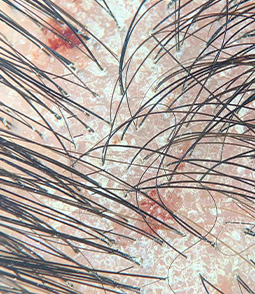
Psoriasis of the scalp. Scaling and focal bleeding seen on dermoscopy.
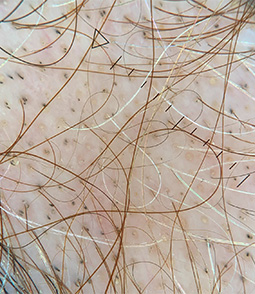
Black dots and yellow dots, as well as miniaturized hair – signs of active alopecia areata.
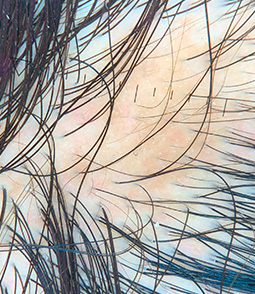
Miniaturized hair and thin pigtail re-growing hair in alopecia areata.
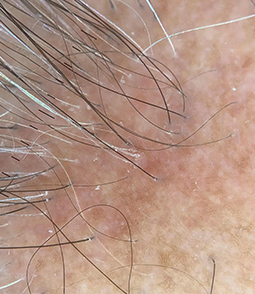
Lichen planopilaris / Frontal fibrosing alopecia. Dermoscopy demonstrates inflammation around hair follicles.
Frequently Asked Questions
Why is a hair loss consultation important?
Many clinics offer hair loss treatments without providing a detailed hair loss consultation. However, due to the myriad reasons for hair loss and the challenge of identifying those factors, a thorough consultation is necessary. Without consulting properly, doctors may make a wrong diagnosis, which can result in ineffective treatment. We strongly believe that a consultation is essential for the success of hair loss treatment.
Is hair loss treatment effective?
Accurately diagnosing the specific condition being treated is crucial to ensure the treatment’s potential effectiveness. Each hair loss condition can vary significantly in terms of treatment. While many types of hair loss may persist throughout one’s life, there are treatments designed for specific conditions. The efficacy of treatment depends on factors such as patient compliance, correct diagnosis, patient contraindications, and other individual factors.
Is hair loss treatment covered by insurance
Coverage for hair loss treatment depends on various factors. FDA-approved medical treatments can treat certain types of hair loss. Finasteride and minoxidil are FDA-approved for male pattern baldness, with Propecia often covered by insurance. Baricitinib and Ritlecitinib are two medications FDA-approved for alopecia areata. Other medications may require prior authorization from insurance companies. Insurance companies typically do not cover regenerative hair loss treatments such as PRP injections, laser treatment and microneedling. We can assist with insurance inquiries and provide the necessary documentation for coverage considerations.
Who is the best specialist for hair loss?
Board-certified dermatologists are the most qualified specialists to address hair loss. They have special training to treat skin, nail, and hair conditions. They can diagnose and create effective treatment plans. Check if trichologists have medical degrees to prescribe medicines and give accurate diagnoses. Others may claim to be trichologists, but it’s important to verify their qualifications.
Which hair loss treatment is the best?
There is no one-size-fits-all “best” treatment for hair loss, as each case is unique. Before starting any long-term treatment, it is important to have a confirmed diagnosis. Our comprehensive consultations ensure that we recommend the most suitable and effective treatments based on individual needs.
Where Confidence Begins.
Reveal the beauty of healthy skin with treatments tailored to you. Dr. Kazlouskaya & her team combines medical expertise with artistry to deliver natural, timeless results.